


How to get rid of Keratosis Pilaris (KP), "Chicken Skin" or "Strawberry Legs"
OCTOBER 12, 2021
How to get rid of Keratosis Pilaris (KP), "Chicken Skin" or "Strawberry Legs"
Help! Do you get those small, hard bumps on your skin too? The ones that never seem to go away? Don't worry, you're not alone!
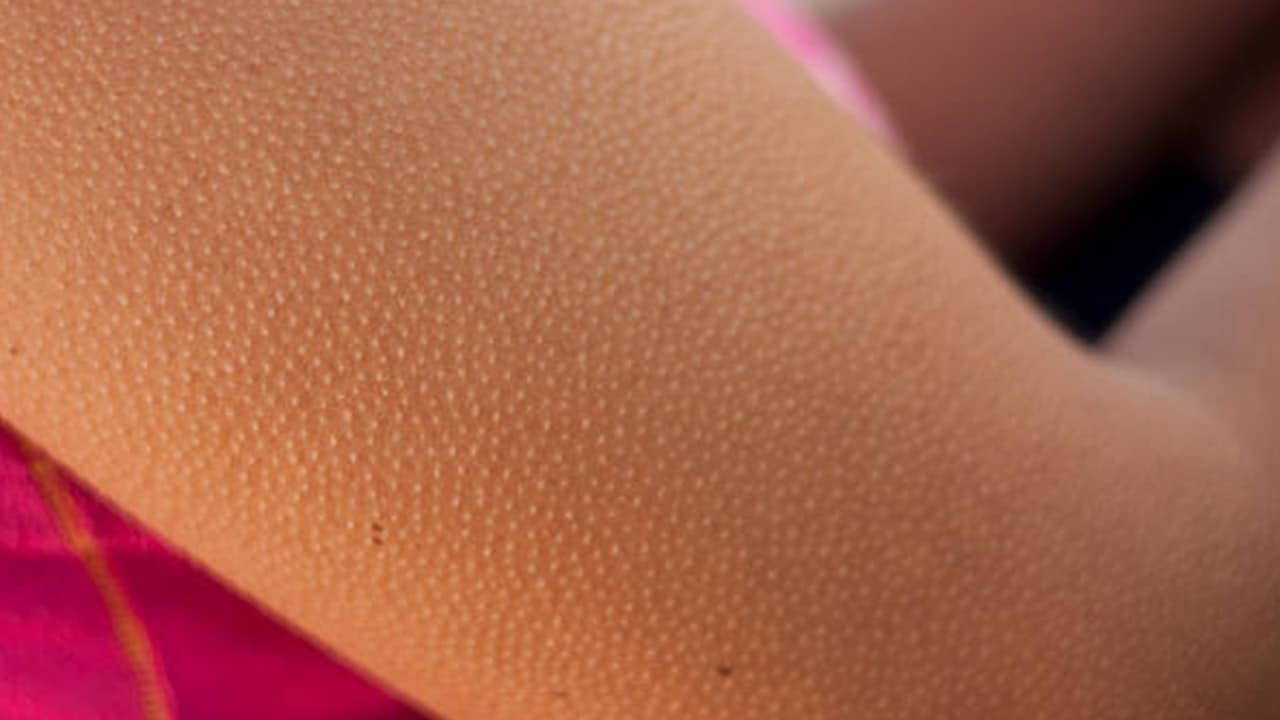
Keratosis Pilaris (KP) is an incredibly common skin condition that affects nearly 40% of adults. It typically manifests as small, hard bumps, usually surrounded by red areas of skin, on the upper arms, legs, or buttocks. In young children, the bumps may also be present on the cheeks. It can look like goose bumps or the skin of a plucked chicken- others mistake the bumps for small pimples.
Whilst KP cannot be "cured" or "treated", there are ways to manage it to reduce its appearance!
Causes of Keratosis Pilaris
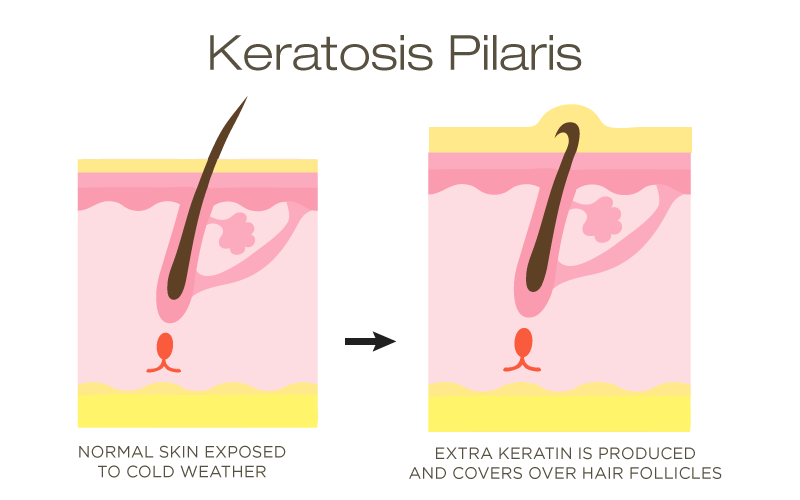
KP is a genetic skin condition characterised by tiny bumps and dry, rough patches. It is caused by extra keratin in your skin (the same building block for hair, skin and nails), leading to dead skin cells plugging hair follicles. The plug can also trigger inflammation in the skin, which is what causes the redness around each hair follicle. KP is most commonly found on the arms, legs, and thighs. Rest assured!
KP is a harmless skin condition. It just isn't amazing to look at. It may also cause itchiness and irritation if there is constant friction between your skin and clothes.
Why do we have it?
Did you know that KP is hereditary?
Despite how prevalent KP is, it's unknown why some people experience it and others don't. Keratosis Pilaris usually begins early in life. Fewer adults have it because the condition tends to get better over time! It is more common in those with a history of eczema, asthma, hay fever, extremely dry skin or in those with family that have the condition.
While KP is usually asymptomatic, it is often worse in the winter and less noticeable in the summer. Arid climates and dry skin worsen KP as skin cells are more adherent and shed less frequently when they are dry. Higher humidity levels and sunlight are believed to help with controlling KP, so go soak in those sun rays!
How can I manage Keratosis Pilaris?
If you don't like the look of your KP, there are some techniques you can try to manage it at home. Though the condition can't be cured, self-care treatments can help to minimise bumps, itching and irritation!
1. Exfoliate Regularly
Regular exfoliation helps scrub away excess dead skin and dirt, leaving the skin cleaner, smoother, and softer. This in turn reduces the likeliness of plugged hair follicles, helping reduce the look of KP on your skin! The best part is that you don't need to use extra products for this easy-to-use tool, you just need to add water! Just remember to gently scrub your skin, as skin with KP can be prone to sensitivity.
When you exfoliate your skin, you remove the dead skin cells from the surface. Regular exfoliation with the CheekyGlo Exfoliating Glove can help greatly improve the appearance of the skin. Dermatologists recommend gently removing dead skin with tools like these to help minimise the appearance of bumps.
Read more
Hate the feeling of an itchy scalp? Want to get rid of dandruff and flakes? Struggling with split ends and breakage? Here's are 7 simple secrets to effectively cleanse, detox, and nourish your hair...
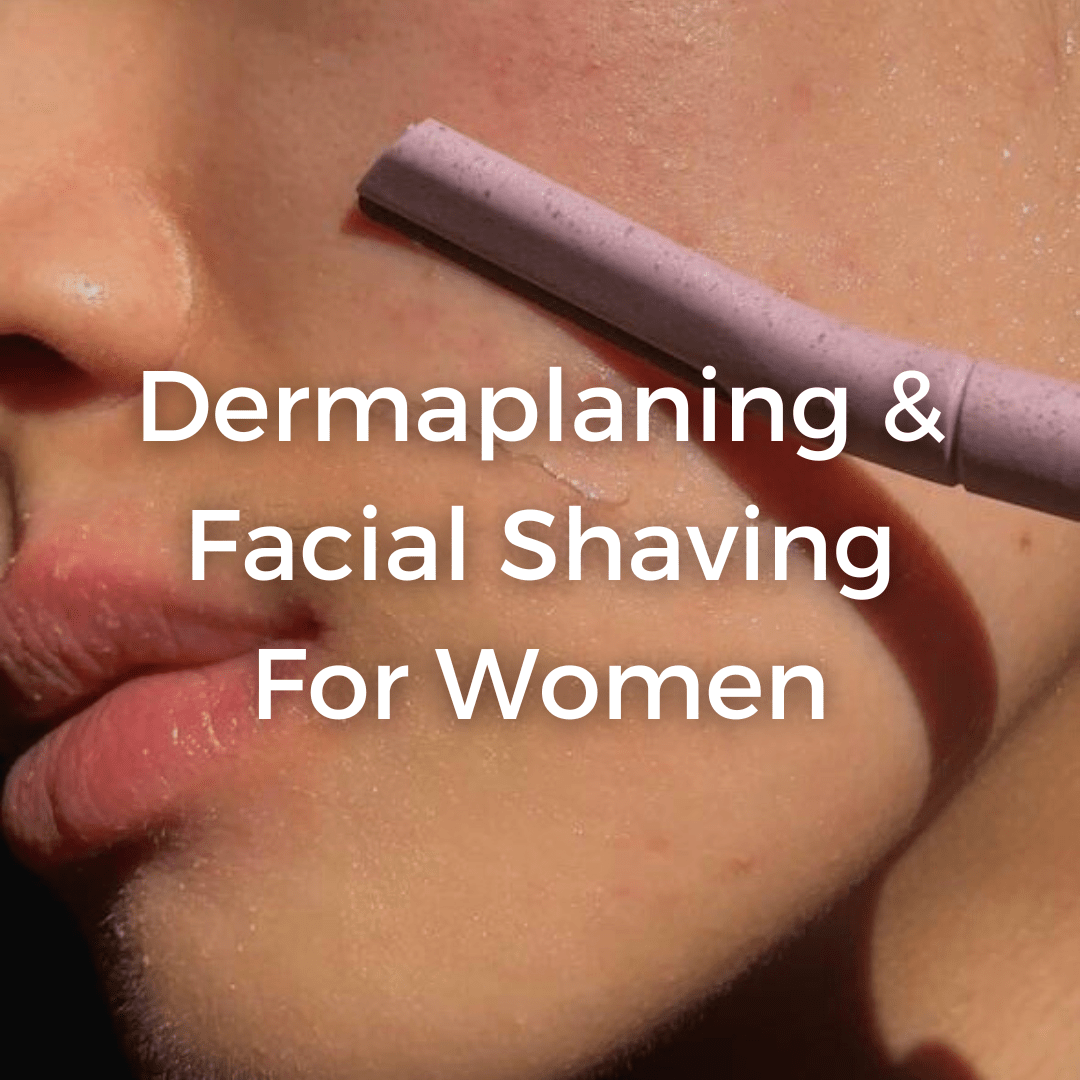
Dermaplaning is a procedure where a sharp blade is used to shave the skin on the face. This process exfoliates your skin and gets rid of dirt and vellus hair, better known as “peach fuzz''. It is a...